
Why Prevention Beats Treatment Every Time
What if most illness did not begin with disease, but with years of small signals that went unrecognized while systems were still flexible?
Health rarely shifts suddenly. It changes gradually as the body adapts to repeated conditions over time. Fatigue, poor sleep, unstable digestion, and fluctuating energy are not random events. They often reflect ongoing compensation as systems adjust to sustained demands and constraints.
Prevention operates at the level of conditions rather than outcomes. When daily inputs support balance, systems tend to adapt with less strain. Once compensation becomes the norm, later intervention shifts toward management rather than redirection. The difference is timing, not intention.
Try This
|
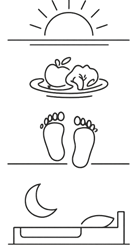 |
Taken together, these patterns describe how everyday rhythm supports balance while the body is still able to regulate itself. None are dramatic on their own but repeated over time they shape how strain is absorbed rather than accumulated. Prevention lives in these small, ordinary moments, long before anything feels urgent or requires correction.
Why It Matters
- Prevention works while the body is still keeping things steady on its own.
- Early attention supports balance before it needs to be treated.
- When the body has been quietly coping for a long time, gentle changes tend to lose their effect.
- Small signs matter because they appear while direction can still shift without force.
Once balance has to be managed rather than supported, prevention has already passed its most effective window.
What Not to Do
- Do not wait for problems to justify paying attention.
- Do not assume things are fine simply because they feel manageable.
- Do not ignore small, recurring signs because they are easy to live with.
- Do not rely on treatment to replace early awareness.
- Do not mistake coping for balance.
Bottom Line
The body is built to keep itself balanced, often compensating quietly for years. That same ability makes it easy to overlook small signs and postpone attention until treatment becomes necessary. Prevention matters because it works earlier, while balance is still being maintained and gentle course changes are possible. As described in Embracing My Vitality: Living Well in the Modern World, health is shaped by timing and awareness long before it requires intervention.