
The Hidden Cost of Snacking
What if your snacks are feeding cravings more than hunger?
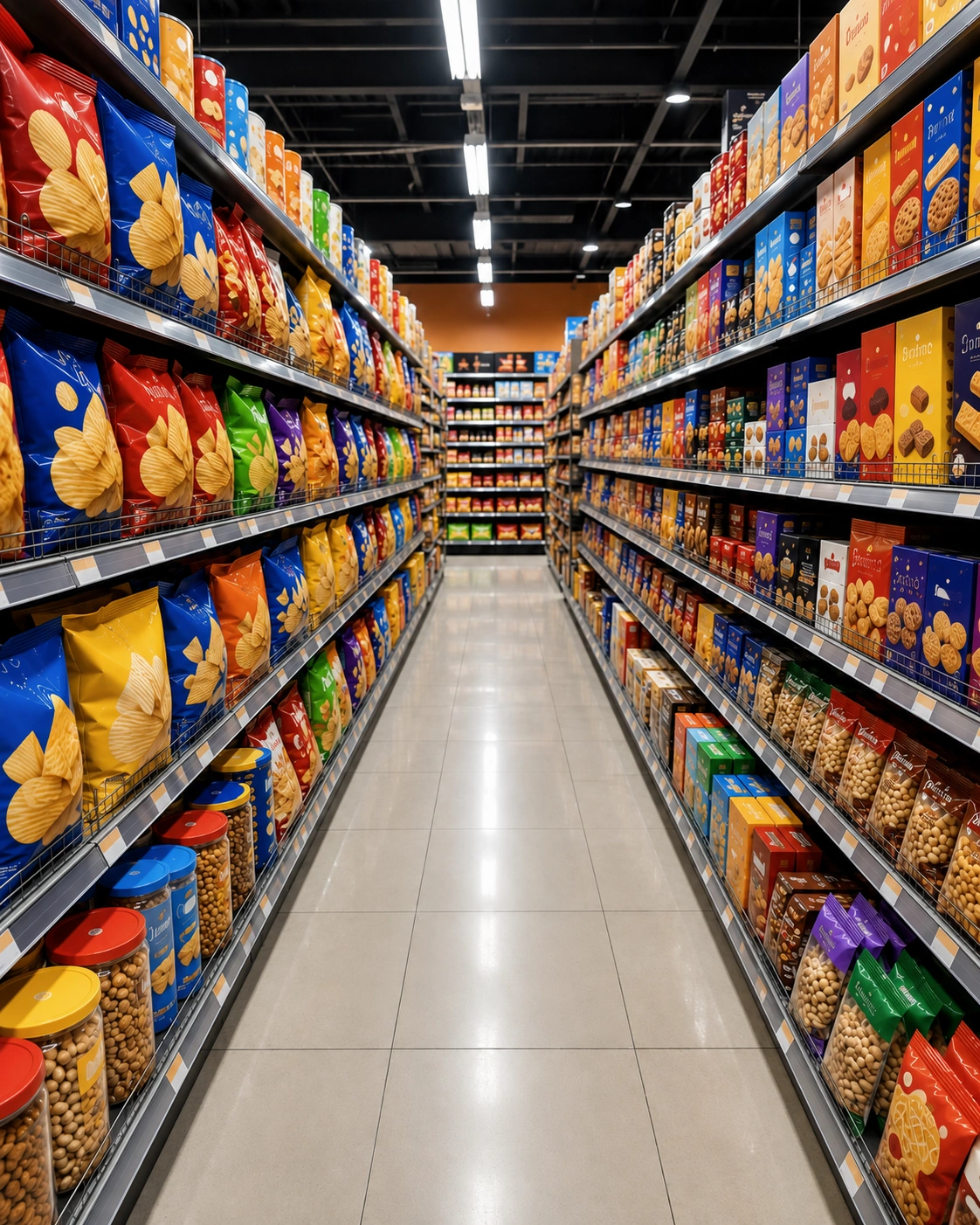
Snacking is not only a question of extra calories. Processed snacks are often designed to be hard to stop eating, using combinations of sugar, oil, salt, flavorings, texture, and rapid repeatability. They are built to keep the next bite easy. When snacking is used during stress, fatigue, boredom, or social time, it can become a form of self-medication. Each bite gives brief relief, but it also strengthens the habit.
The cost is higher when snacking becomes mindless. Eating while watching TV, working, or sitting with friends can stretch intake over a long period, keeping digestion active, glucose elevated, and insulin working harder. When snacks are paired with alcohol, the pattern becomes easier to overdo because alcohol adds energy, lowers inhibition, weakens self-control, and makes repeated snacking more likely.
Do not arrive hungry and depend on willpower. Before a social event, eat something protective, such as carrots, cucumber, peppers, zucchini, celery, or other vegetables. Make these foods visible and easy to reach instead of processed snacks. Add satisfying natural dips, such as low-oil hummus made from chickpeas, lentils, white beans, or other legumes. Keep sparkling water, herbal infusions, lemon water, mineral water, and alcohol-free drinks available so alcohol is not the default.
At home, avoid eating directly from a bag, box, or large bowl. If you want a snack while watching a movie or a game, place a small portion on a plate and leave the package in the kitchen. This creates a pause before a second serving and breaks the hand-to-mouth loop. Chew slowly, put the plate down between bites, and let the snack end instead of letting it run in the background. |
Try This
|
 |
The pattern is simple. Remove the cue, arrive prepared, choose safer substitutes, pause before eating, remind yourself that a craving is not a command, and close the eating day.
Why It Matters
- Avoid feeling hungry or crashing soon after eating.
- Avoid brain fog and low focus.
- Avoid turning stress, boredom, or fatigue into eating.
- Avoid feeling heavy, bloated, or sluggish.
- Avoid letting alcohol turn snacking into overeating.
- Avoid empty calories that make weight management harder.
What Not to Do
- Do not keep processed snacks visible and easy to reach.
- Do not snack directly from a bag, box, or shared bowl.
- Do not use snacks as the first response to stress, anger, boredom, or fatigue.
- Do not arrive at social events hungry and expect willpower to protect you.
- Do not pair snacks with alcohol as your default evening or social routine.
- Do not keep eating after dinner because the kitchen is still open.
Bottom Line
Snacking becomes costly when it stops being a choice and becomes a pattern. The goal is not to forbid every snack. It is to stop mindless, emotional, and open-ended eating from controlling hunger, energy, and weight management.
This is one of the daily patterns explored in Living Well Without Diabetes, A Practical Approach to Glucose Control, available on Amazon worldwide. The goal is not restriction. It is to build meals and routines that reduce cravings, support steadier energy, and help you move through the day without constantly reaching for food.